Life after divorce for women: From sudden separation to thriving
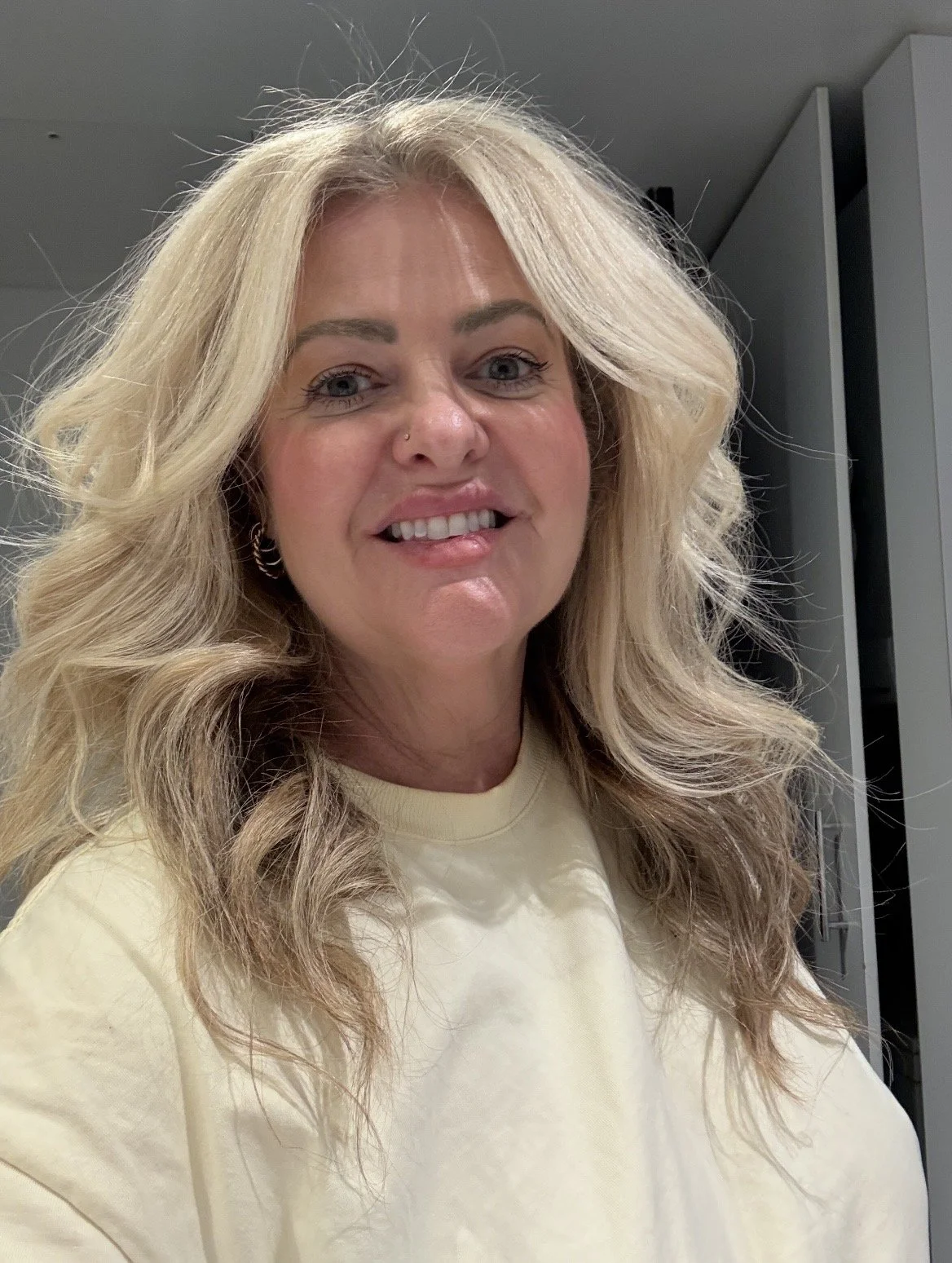
When my friend Gill's husband suddenly ended their 16-year marriage, it came completely out of the blue. Learning how to cope with sudden divorce when you never saw it coming is one of the hardest things any woman can face.
"I really felt that we had a good relationship," she told me on the podcast recently. "I felt that we had something that we could work on. Yes, of course, it wasn't perfect at the time. I was very aware of that. But I really did believe that we could work together to fix anything that needed to happen to make it better."
Unfortunately, her ex-husband didn't feel the same way. The rug was pulled out from under her - sudden, shocking, and devastating.
The shock of sudden divorce: How to cope when you're blindsided
Gill's experience is one I hear from so many women. While some of us have endless conversations about needing to fix things (I certainly did for years before I finally called time on my own marriage), many women find themselves blindsided when their partner suddenly announces it's over.
"It was a huge shock to me because in my mind, I had always said that it would literally be the worst thing that could ever happen to me if he was not around anymore," Gill said. "I was absolutely terrified about what was going to happen."
The physical and emotional toll was immediate and brutal.
"I just couldn't sleep. I was waking up in the middle of the night," she recalled. "I'd be asleep in this deep sleep and then I'd wake up and the shock of waking up and remembering what had happened to me - it was like a train, a freight train just hitting me and my heart would beat and I'd have this anxiety kind of attack in the middle of the night."
Building a support network
One thing Gill did brilliantly - and something I always encourage women to do when coping with sudden divorce - was reach out for help immediately.
"I was able to ask for help, I think because I was so broken that I just thought I need help. I cannot survive without help," she said. "There was no kind of like, just be brave and get on with it. Like I really felt such a mess that I needed help."
She turned to her close circle: her family, a few friends who had been through divorce themselves, and me. Having that expert advice from people who'd walked the path before made an enormous difference.
"Having that expert advice was so incredibly helpful at the time to sort of just steer you in the right direction because I think you're so much in fight or flight, your brain just can't think straight."
She also saw her GP and started therapy - crucial steps in managing the trauma response her body was experiencing.
The shame factor
Like so many women, Gill carried an enormous amount of shame about her separation. Her children attended a Catholic school, and she worried about judgment - worries that, unfortunately, proved founded.
"There were some people who I felt very unfairly judged the situation," she shared. "I was pretty surprised. I don't know that I would have coped very well with that at the time. I would have felt really rejected and embarrassed and shocked by all of that."
The shame was compounded by the fact that no one in her family had been divorced before. "It felt like a shameful thing for me to be separated," she admitted.
What helped shift that shame over time? Three things: time itself, how she handled the situation (staying dignified and doing what was right for herself and her family), and eventually recognising that life after divorce for women can actually be better than what came before.
Being a single mum after divorce: The parenting journey
One of the most poignant moments in our conversation was when Gill shared something that happened about a year after separation. One of her children, then around seven or eight, told a therapist: "I'm so mad because she broke up with dad and she's not even sad about it."
Gill was shocked. That wasn't the story of what happened at all. And she'd spent so much emotional energy trying to keep everything happy at home for the kids.
"I was so surprised by that and I felt terrible," she said. "I think it really coloured the guilt and the shame that I had in my parenting during that period of time. I treated myself very hard and harshly."
But here's the thing about being a single mum after divorce that Gill has come to understand: "We are so sensitive as mums or as parents to how we're impacting our children. At the end of the day we cannot control how our kids are going to feel, what they're going to do. We can do our best but it's all out of your hands essentially."
Despite her initial low confidence as a parent (she'd deferred to her husband for most parenting decisions during the marriage), Gill did the work. She got a parenting coach, read extensively, and built open communication with her boys.
Now? "I'm very, very proud of the relationship I have now with my kids," she said. And watching her with her teenage boys, I can confirm - it's beautiful.
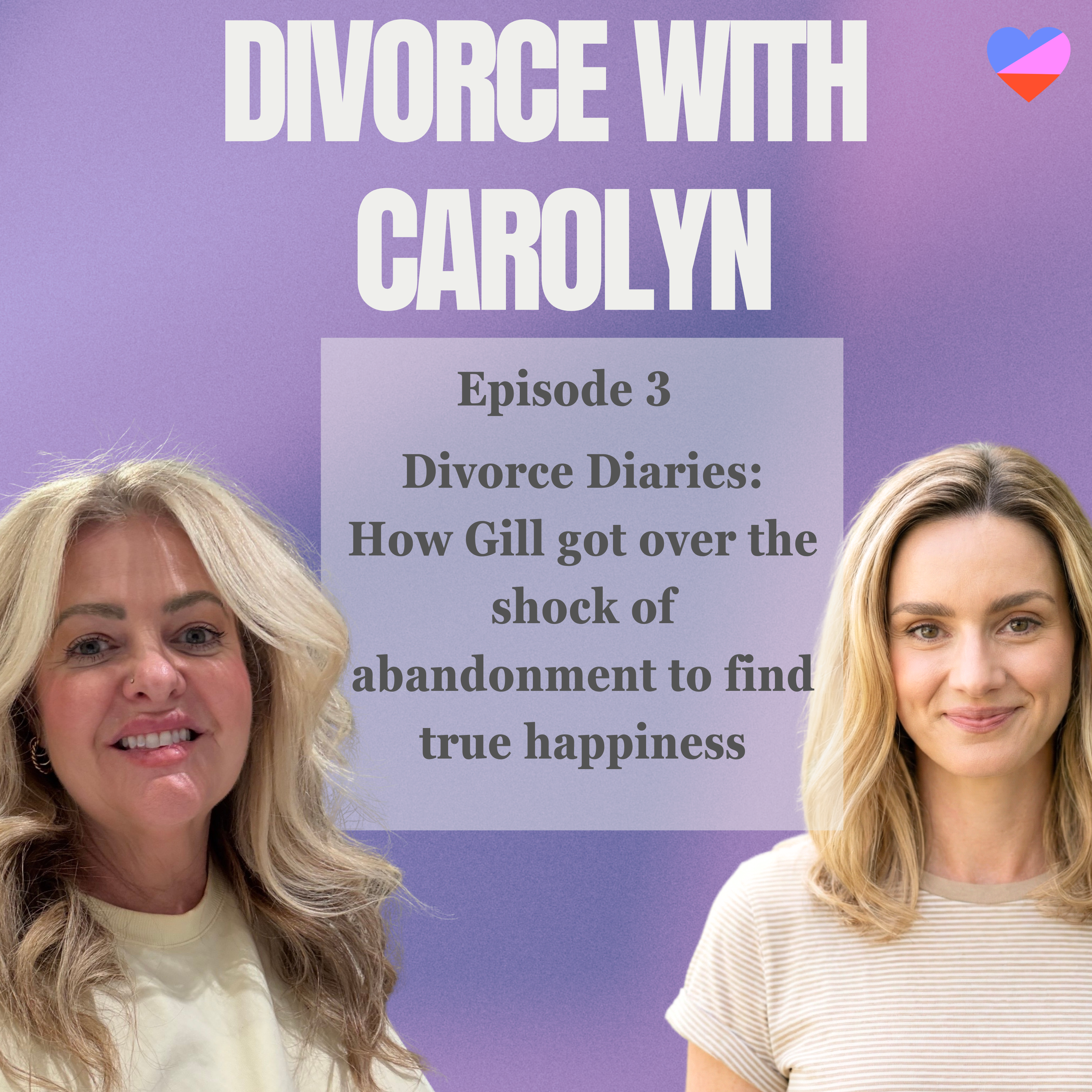
The power of therapy in life after divorce
Gill credits therapy with being absolutely game-changing in her recovery. She was fortunate to find a psychologist who taught her about how the brain works - the parasympathetic nervous system, neuroscience, why her body was reacting the way it was.
"Having that bit of an understanding about neuroscience and how your brain works has been an absolute game changer for me," she said. "To know that your brain's just trying to keep you safe - that was what my brain was trying to do, is always just keep you safe."
Understanding this helped her learn to calm her catastrophising mind and manage the spiral of "what ifs" that plagued her in those early months.
Her advice? Find the right therapist for you. She tried an EAP counsellor through work and it didn't help because it wasn't the right type of therapy. "It's about finding the right person with the right skill set. So I think it's about keep going."
Standing her ground
One thing Gill did that I'm particularly proud of - she didn't just accept her ex-husband's first offer for settlement.
"In the very, very early days, my ex sort of offered me what he genuinely thought was a good deal for me. And he hadn't been through it either. So he was just throwing stuff up against the wall to see what would stick."
But Gill had seen me go through my divorce. She'd seen other women navigate this. And something in her said: not this time.
"I don't know what happened in me, but I had this sort of like, no, I'm not just going to do what you say," she laughed. "I was like, absolutely not. I am not taking that crappy offer. I am going to - we're going to do this properly and I'm going to get what is fair because I am now going to be the person, I'm on my own for the next however many years. I need to be able to support myself. I'm not just going to take the scraps."
This is so important. Don't take advice from your ex about what's fair. Get proper legal advice. Understand your rights. Fight for what you're entitled to.
Dating after divorce: Knowing when you're ready
About six months after her separation, Gill joined Tinder. Her goal? Have some fun, go to concerts, enjoy casual dating.
"I went there purely with the goal to have a bit of fun, go to concerts, go on date nights, have a good time," she said.
She was brutally honest with the men she met. So honest, in fact, that several of them told her she wasn't ready for a relationship.
"They were sort of saying things like oh you're clearly not ready for a relationship and I'm like no I'm not absolutely not I'm just here for some fun," she laughed.
Then she met someone who would become her second husband - one of the first people she connected with on the app.
"A really, really, really incredible person. Someone who restored my faith in not only men, but probably humanity as well."
But here's what I loved about how Gill handled dating after divorce: she took her time and trusted her gut about when she was ready for each step. They dated for six years before moving in together. They were engaged before they cohabited.
Why the wait?
"I just knew, like I really knew I was not ready," she said. "I thought, I am going to be authentic to myself because for so long I've been in a relationship with someone else, with my ex-husband and I wasn't myself for quite a long time. I didn't trust myself. I did everything for the sake of the family and for him. So I thought no, now it's my time. I'm doing it my way for me."
They've now been married for nearly two years, and Gill says almost every day it gets better.
The key lesson about dating after divorce and knowing when you're ready? There's no timeline you have to follow. Trust yourself, stay authentic, and don't rush into anything until it genuinely feels right.
What makes it work this time?
I asked Gill what she'd learned about relationships that she brought into her second marriage.
"Communication, 100% the number one thing," she said. "And being prepared to evolve. I always felt that compromise was such an important part of marriage, I still do. But I think it's almost more nuanced than that. It's actually evolution. You've got to learn to evolve together."
Both Gill and her husband had been through difficult divorces. Both had done significant work on themselves during their years of dating. That foundation of self-awareness and communication has made all the difference.
The best thing that ever happened: Real life after divorce for women
When I asked Gill what she'd tell herself in that first devastating week after separation, she said something that might sound infuriating to anyone currently learning how to cope with sudden divorce:
"The only way is through. I would have said that this is going to be one of the hardest things you're going to do, but you will come out the other side and you will be better. You will feel better. You're going to be okay."
She also added something crucial: "Sit with all the feelings and feel them. That's so important for recovery. To be able to feel all your feelings, the more you're able to process things through your body and mind, the better, the quicker you can recover."
And she'd remind herself (though she admits she probably wouldn't have listened): "It's okay to be angry. It's okay to be hurt. It's okay to be scared. All of your feelings are absolutely valid."
Looking back now, eight years on, Gill can genuinely say: "I love what happened. I couldn't deny that it was the best thing that ever happened to me."
Not because the divorce itself was good - it was traumatic and painful and incredibly hard. But because of who she became through the process. Because of the relationship she now has with her children. Because of the authentic life she's built on the other side.
"I think it probably took a year or two before I really could see what an amazing thing it was to have gone through," she reflected.
Your life after divorce can be better than you imagine
If you're in that first year or two right now, feeling broken and terrified and wondering if you'll ever be okay - I want you to hear Gill's story and know: you will be okay. Better than okay, actually.
Whether you're coping with sudden divorce, navigating life as a single mum after divorce, or wondering about dating after divorce and when you'll be ready - there's a path forward. Life after divorce for women doesn't have to mean settling for less. It can mean building something even better.
The only way is through. But what's waiting on the other side is worth every difficult step.
Listen to Gill's full story
Want to hear more stories like Gill's? Subscribe to Divorce With Carolyn - a podcast for women going through separation who need real, honest conversations.
Each week, I talk to experts like family lawyers and financial advisers, alongside women sharing their lived experience, about the stuff nobody warns you about: the 3am panic spirals, co-parenting negotiations, rebuilding your identity, and finding your way forward.
If you're going through this and need to hear that you're not alone - that life really can get better on the other side - this podcast is for you.
Available on Apple Podcasts, Spotify, and everywhere you listen to podcasts. Click the link above to listen on your favourite platform.